The Trench: Belt, Collar and the Details That Change It
Two women in identical trenches can look entirely different, and the difference is never the coat — it is the belt, the collar and what they have decided to do with them. Here is why the details define the trench, the ways to work them, and how to wear it.
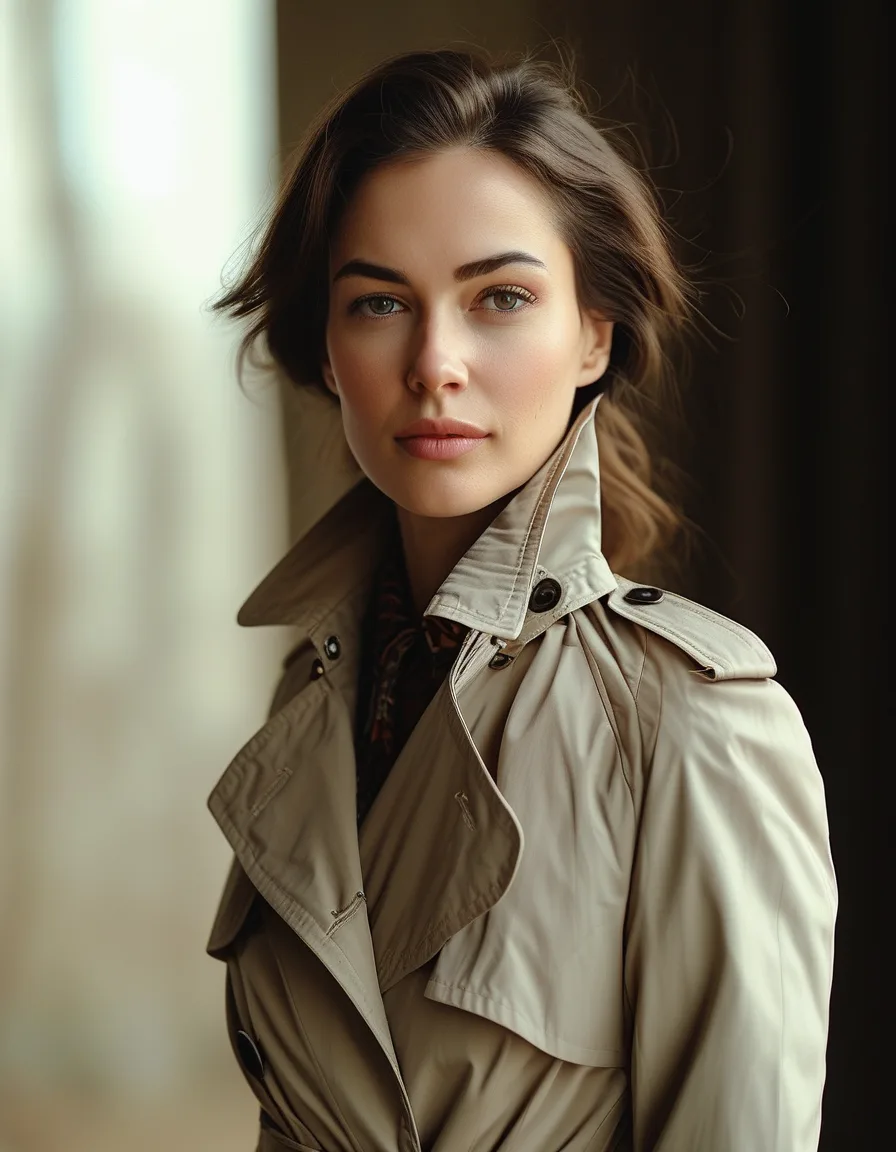
Why the Details Define the Trench
Same coat, different result: the the-belt-decides-the-silhouette (the belt deciding whether the coat has a waist from the styling-seasons logic — the belt-decides-silhouette), the the-collar-sets-the-attitude (the collar up or down setting the attitude from the statement-details logic — the collar-sets-attitude), the the-the-coat-is-a-constant (the the trench itself being a constant, the styling the variable from the reinvented logic — the coat-is-constant), the the-small-choices-large-effect (the tiny styling choices changing the whole read from the statement-details logic — the small-choices-large-effect), the the-it-is-a-styling-piece (the the trench rewarding styling more than most coats from the trench-guide logic — the rewards-styling), and the reframe (the trench as defined by its details — the belt, the collar and what you decide to do with them, not the coat itself).
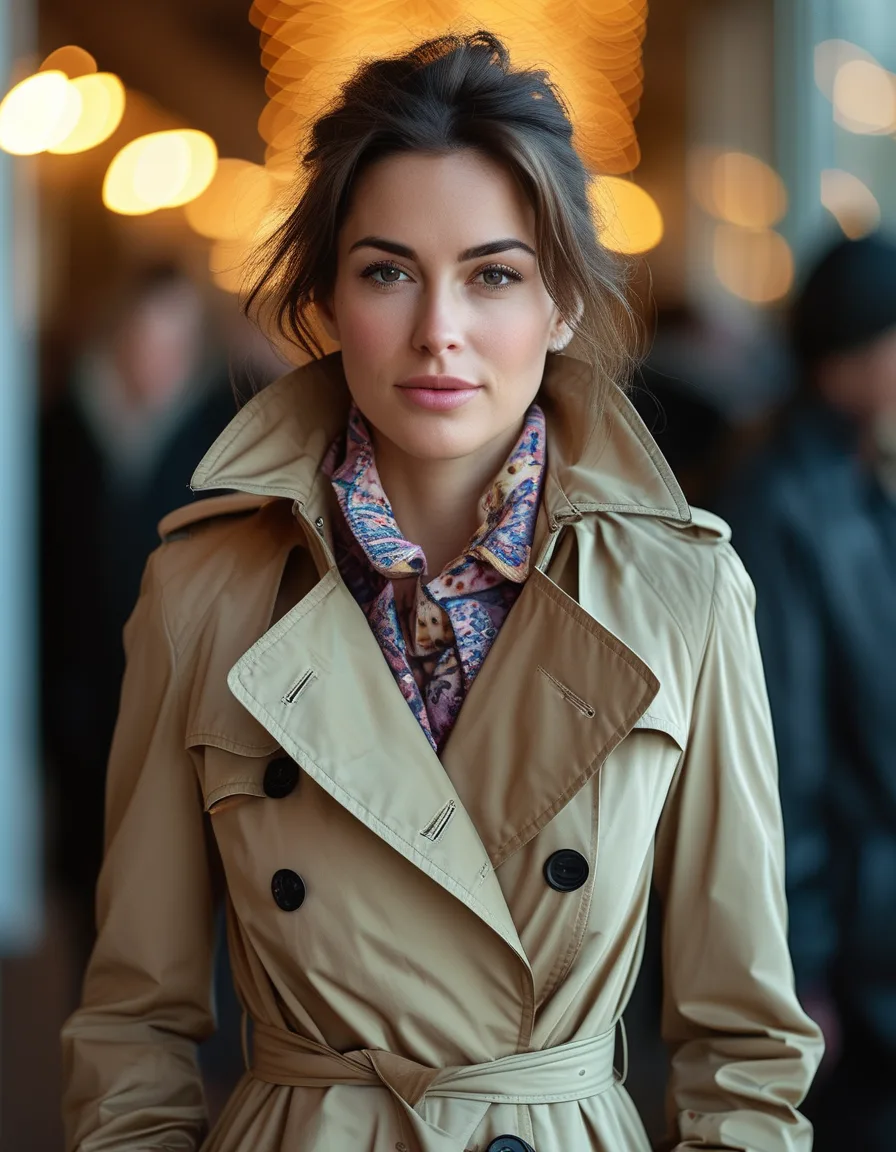
The Ways to Work Them
Trench styling moves: the the-belt-tied-not-buckled (the tying the belt rather than buckling it, for softness from the styling-seasons logic — the tie-not-buckle), the the-belt-knotted-at-the-back (the knotting the belt behind for a clean front line from the reinvented logic — the belt-at-the-back), the the-worn-fully-open (the wearing it open with the belt hanging or removed from the style-trench-outfits logic — the worn-open), the the-collar-popped (the popping the collar for attitude and face-framing from the statement-details logic — the collar-popped), the the-collar-flat-and-clean (the a flat collar for the quieter, cleaner read from the trench-guide logic — the collar-flat), the the-belted-over-a-coat-or-knit (the belting it over layers for a defined waist from the styling-seasons logic — the belted-over-layers), the the-sleeves-pushed-and-cuffs-loose (the pushed sleeves and loose cuff straps from the statement-details logic — the sleeves-pushed), and the the-worn-as-a-dress-or-layer (the belting it closed and wearing it as the whole outfit from the reinvented logic — the as-the-outfit).
The Wearing Notes
Getting the trench right: the the-fit-through-the-shoulder (the shoulder fit mattering most as with any coat from the trench-guide logic — the shoulder-fit), the the-length-matters (the length working with your usual hemlines from the trench-guide logic — the the-length), the the-fabric-and-drape (the fabric deciding how it falls and belts from the trench-guide logic — the fabric-and-drape), the the-one-styling-idea-at-a-time (the one deliberate styling choice reading cleanest from the statement-details logic — the one-idea), the the-seasons-change-the-styling (the styling it differently across the seasons from the styling-seasons logic — the seasonal-styling), the the-let-it-be-the-outfit (the letting the trench carry the outfit from the reinvented logic — the let-it-carry), the the-care-and-shape (the caring for it so it holds its shape from the trench-guide logic — the care-and-shape), and the frame (the trench as a styling piece — belted, knotted, opened, collar up or flat — with one deliberate choice at a time — the details that change it. Tie or knot the belt rather than buckling, decide the collar, wear it open or belted, and make one deliberate choice at a time).
Two women in identical trenches can look entirely different, and the difference is never the coat — it is the belt, the collar and what they have decided to do with them. The details define the trench because the belt decides the silhouette, the collar sets the attitude, the coat is a constant, small choices have large effects, and it is a styling piece. The ways to work them: belt tied not buckled, knotted at the back, worn fully open, collar popped, collar flat and clean, belted over layers, sleeves pushed and cuffs loose, and worn as the whole outfit. Wear it well with the right shoulder fit, the right length, good fabric and drape, one styling idea at a time, seasonal styling, letting it carry the outfit, and caring for its shape. The details that change it.
Keep Reading
This article is for general styling and informational purposes only. Trends, sizing, availability and pricing may vary by brand and season.